

Functions of Materials Used in Shoe Manufacturing Process
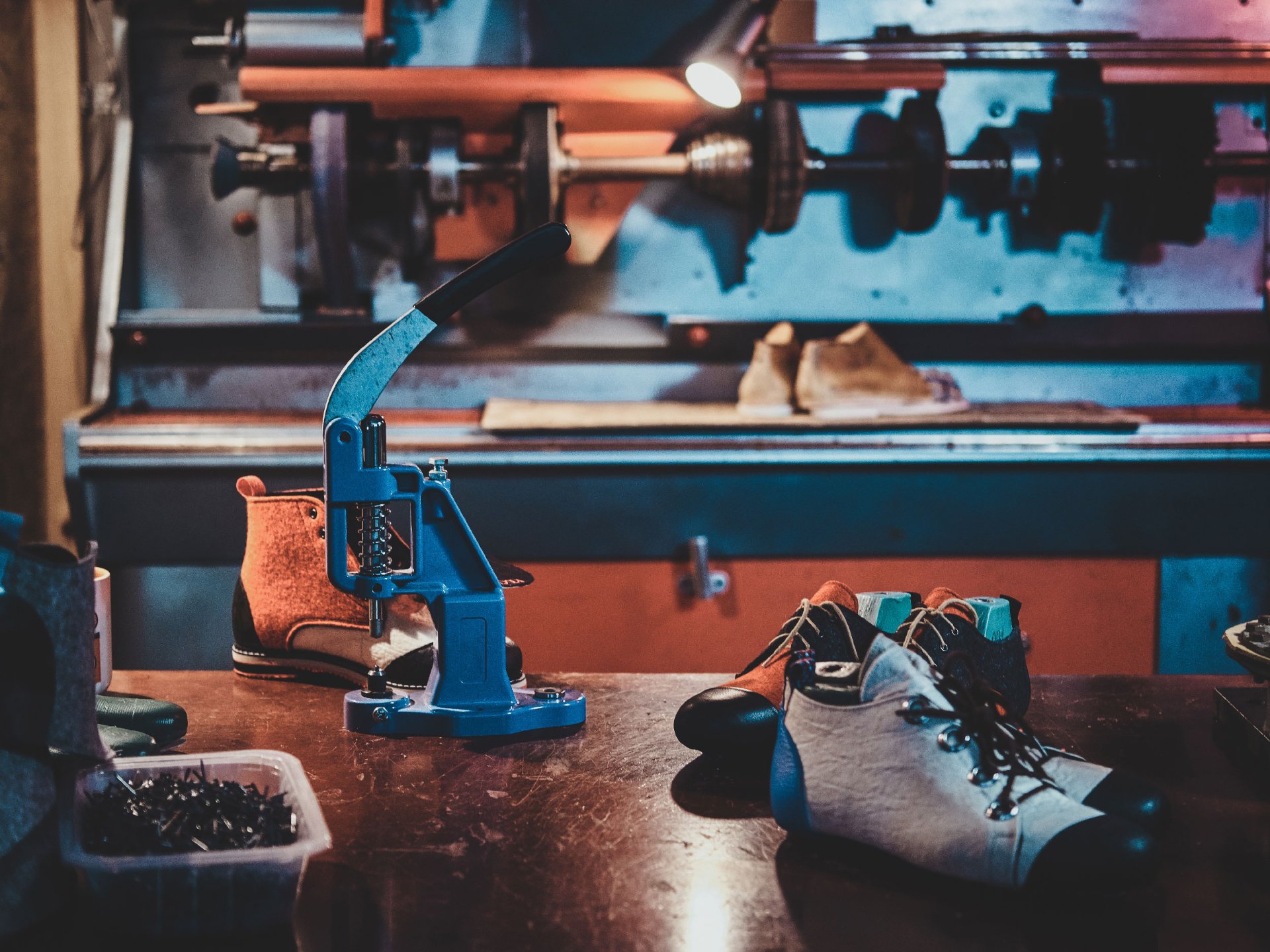
❝Explore the primary functions of materials used in the shoe manufacturing process and their roles in production stages.
Shoe manufacturing is a multi-stage industry requiring high precision, bringing together traditional craftsmanship and modern industrial techniques. From the design stage to packaging, every material used in this process has its own technical properties and a critical function. The emergence of a high-quality, durable, and comfortable shoe is directly related to the right choice of materials and processing them in perfect harmony. Shoe sub-industry products form the skeleton of the final product, supporting both its aesthetic stance and extending its service life.
The Role of Adhesives and Chemical Components in Shoe Production
The permanent and flexible bonding of components with different structures to each other is of vital importance in shoe production. Adhesives have a wide range of uses, from bonding the sole to the upper to securing inner linings. The chemical components used must have balanced properties such as flexibility, strength, and resistance to external factors. Correctly applied bonding techniques increase the shoe's resistance to bending and stress encountered during daily use.
Paint and finish materials, which are another complementary element of chemical processes, are used to protect the outer surface of the shoe and achieve the desired visual form. Coloring leather and textile surfaces, gaining resistance to external factors, and obtaining a homogeneous appearance are carried out at this stage.
The Contribution of Counter and Toe Puff Materials to Shoe Form
Maintaining the aesthetic stance of the shoe and supporting the foot in the correct anatomical position is possible thanks to form-protecting materials such as counters and toe puffs. The counter is placed in the heel area of the shoe to prevent this part from collapsing and ensures the heel remains stable. The toe puff is located in the toe area to protect the toes and maintain the form of the front surface of the shoe.
The main points considered when selecting these materials are:
- Flexibility level supporting the foot's natural movement harmony
- Resistance shown against moisture and external impacts
- Feature of not losing its form during long-term use
- Compatible structure with the upper material
The Importance of Innersoles and Interior Equipment Materials
The innersole used in the inner structure of the shoe is one of the most fundamental elements that directly contact the foot and determine comfort. A quality inner lining maintains moisture balance by allowing the foot to breathe and offers comfort during all-day use. The padding and support layers beneath the innersole distribute pressure evenly, reducing the feeling of fatigue.
The fact that these materials used in interior equipment comply with hygienic standards, are resistant to abrasion, and have the capacity to absorb sweat are among the factors that directly increase production quality.
Connection and Accessory Elements: Nails and Zippers
Small details used in shoe production, such as nails, staples, and zippers, are of great importance in terms of durability and practical use. Nails provide a reliable grip, especially in classic shoe making, for fixing the sole and upper. Zippers offer ease of putting on and taking off in modern designs, elevating the user experience.
The stainless structure of such fasteners and increasing strength in the area where they are applied help maintain the general quality standard of the shoe. Each accessory is selected and positioned to support the functionality of the design.
Quality and Sustainability in the Shoe Sub-Industry
Successful shoe production is directly proportional to the quality of each sub-industry product used. The harmonious operation of all inputs, from thread to adhesives, from linings to sole materials, ensures the emergence of long-lasting and comfortable products. Keeping track of innovations in the sector, analyzing material technologies correctly, and keeping production standards high are the main keys to producing a quality shoe.