

The Importance of Auxiliary Materials in Shoe Manufacturing
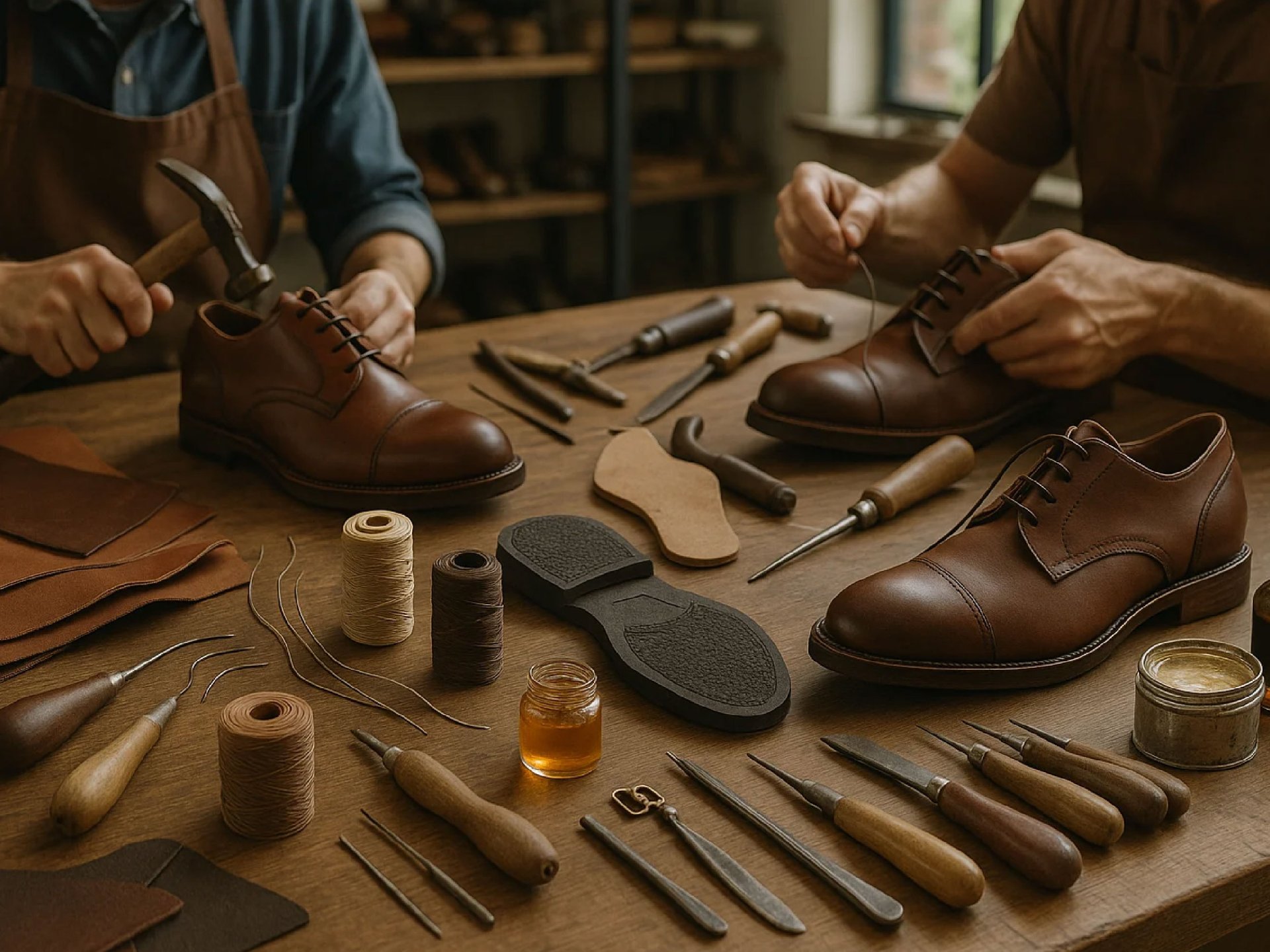
❝Discover the impacts of auxiliary materials used in shoe manufacturing on quality and processes in our blog.
Shoe manufacturing is a multi-stage and meticulous process that combines aesthetic design with durability, comfort, and functionality. One of the most critical factors determining the success of this process is the auxiliary and sub-industry materials, which directly affect the quality and lifespan of the shoe, even if they are not immediately visible from the outside. Choosing the right materials ensures that each produced model meets quality standards and directly enhances the user experience.
The Role of Sub-Industry Materials in Shoe Production
No matter how high quality the basic materials forming the main body of a shoe, such as leather or fabric, are, the final product will not perform as expected if sub-industry products are not chosen correctly. Components such as adhesives, insoles, counters, and toe puffs ensure that the shoe maintains its form, resists external factors, and adapts to the structure of the foot.
Each auxiliary material used in the production process affects critical features such as the weight, flexibility, and breathability of the shoe. Therefore, manufacturers must consider functionality and compatibility as much as cost when selecting sub-industry supplies.
Critical Sub-Industry Products and Their Functions
Sub-industry products used in the shoe production line offer a wide variety. Each of these materials performs a different task:
- Adhesives: Ensure that parts adhere to each other firmly and flexibly.
- Counters and Toe Puffs: Shape the heel and toe areas of the shoe, helping it retain its form.
- Insoles and Internal Materials: Enhance foot comfort, provide shock absorption, and support moisture balance.
- Zippers, Nails, and Accessories: Complete aesthetic details and reinforce assembly quality.
Contributions of Correct Material Selection to the Production Process
Using quality sub-industry materials minimizes error rates on the production line. Compatibility issues during assembly are eliminated thanks to the right auxiliary products. This provides labor and time savings while also increasing production efficiency by reducing waste rates.
Furthermore, choosing materials that comply with standards directly affects end-user satisfaction. Durable shoes that retain their form for a long time positively contribute to brand reliability.
Sustainability and Material Quality in the Industry
Along with developing production technologies, the use of eco-friendly and harmless materials for human health has come to the forefront in the sub-industry sector. Manufacturers are now turning towards products that offer both durability and contribute to the protection of ecological balance. This approach holds great importance for the future of the industry.
Establishing correct supplier partnerships and continuously auditing material quality are key ways for shoe manufacturers to maintain their competitive power in the market.